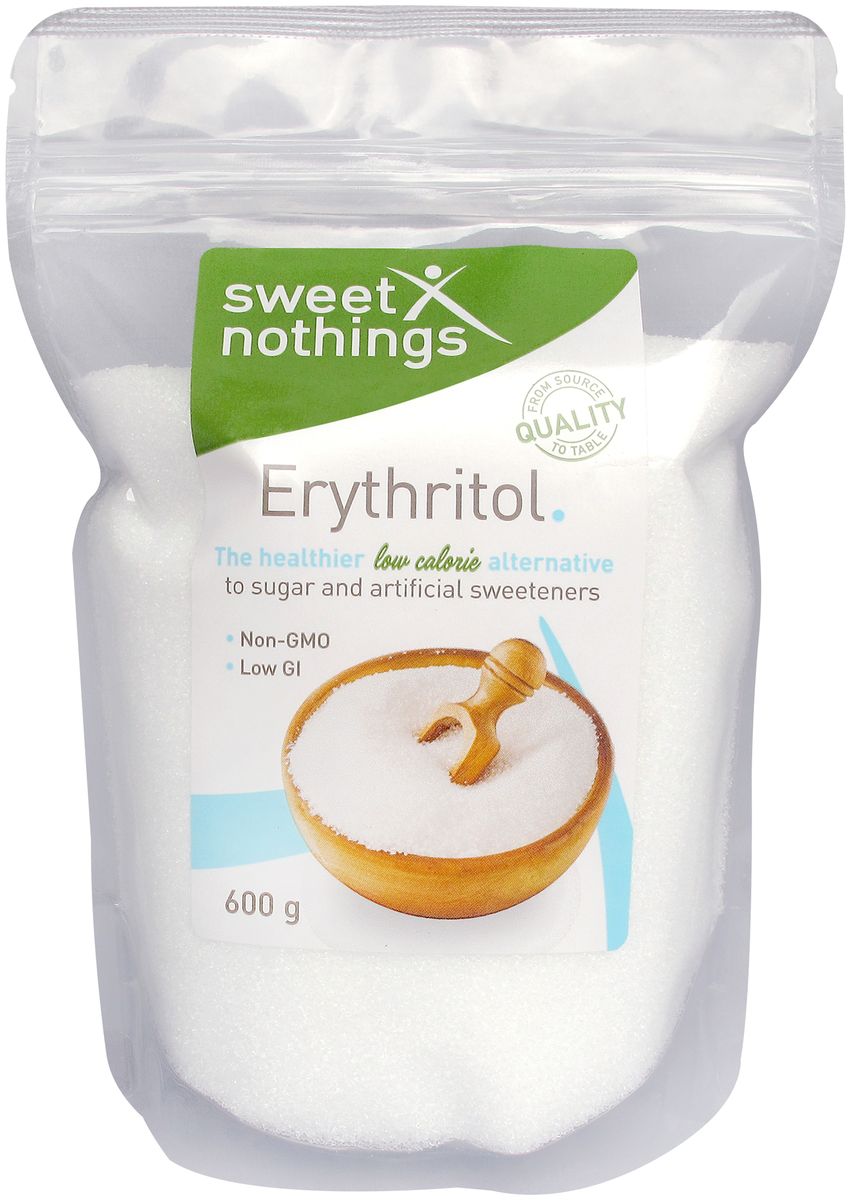
SALE
New Health's XYLITOL

New Health's XYLITOL

Brand: New Health
Xylitol is a plant based sugar substitute used in baking and cooking, drinks and dental care.
5.02 Reviews
FromR 11.11
⚠️ ACTION REQUIRED
Please select a product variation (size, color, etc.) to view the actual price

Xylitol is a plant based sugar substitute used in baking and cooking, drinks and dental care.

🛡️
Warranty
Non-Returnable.

Select Size

Product Information

SKU98874417
Stock StatusIn Stock
Safe Checkout

Xylitol is a naturally occurring sugar alcohol widely used as a sweetener in various foods, dental products, and pharmaceuticals. It is recognised and stands out as a low-calorie, tooth-friendly alternative to traditional sugars.

Xylitol's Sweetness and Caloric Value

Xylitol provides approximately 95% of the sweetness of sucrose (table sugar) but contains about two-thirds of the calories. Regular sugar supplies roughly 4 calories per gram, whereas xylitol provides about 2.4 calories per gram. Xylitol can be used as an alternative to sugar for individuals aiming to reduce calorie intake while maintaining similar sweetness levels.

Uses of Xylitol

Xylitol is found in several usus, industries and products, such as:

  • Beverages: As a sweetener for hot or cold drinks, coffee, tea, etc.
  • Food: Baked goods, cooked meals, chocolate, candies, etc.
  • Dental products: Toothpaste, mouthwash, and dental chewing gum, owing to its oral health benefits.
  • Pharmaceuticals: Cough syrups, lozenges, and certain medications as a sweetener for palatability.
  • Personal care: Nasal sprays and moisturizers.

Health Benefits of Xylitol

Xylitol's increasing popularity is due in part to its potential health benefits, particularly in the areas of dental health, blood sugar management, and calorie reduction.

Blood Sugar and Insulin Response:

Xylitol has a low glycaemic index (GI) of about 7, compared to 60 to 70 for regular sugar. This means xylitol causes only a minimal rise in blood glucose and insulin levels when consumed, making it suitable for people with diabetes or those seeking to manage blood sugar. Research also suggests that xylitol may support metabolic health by reducing insulin resistance and lowering the risk of metabolic syndrome.

Calorie Reduction and Weight Management:

Because xylitol provides fewer calories than sugar and does not cause sharp spikes in blood sugar, it can be helpful for individuals interested in reducing caloric intake or losing weight. Its sweetness allows it to be used as a direct substitute for sugar in many recipes, making it easier for people to adapt their diets without sacrificing flavour.

In Cooking and Baking:

Xylitol can be used as a sugar substitute in baking and cooking. It dissolves well in liquids and can generally be used in a 1:1 ratio to replace sugar. However, it does not caramelize like sugar and may not be suitable for recipes that rely on caramelization for texture or flavour. Additionally, baked goods made with xylitol may have a cooling sensation on the palate due to its endothermic dissolution.

Dental Health

One of the most widely studied and celebrated benefits of xylitol is its positive impact on oral health. Unlike sugar, xylitol is not fermented by oral bacteria, which means it does not produce acids that erode tooth enamel. In fact, regular consumption of xylitol (for example, through sugar-free gum) can help reduce cavity formation by:

  • Reducing levels of Streptococcus mutans, a primary bacterium responsible for tooth decay.
  • Promoting remineralization of tooth enamel.
  • Increasing saliva production, which naturally cleanses the mouth and neutralizes acids.
  • For these reasons, dental associations in many countries endorse xylitol-containing products as part of a healthy oral hygiene routine.

NOTICE: Potential Risks and Safety Considerations

For most humans, xylitol is considered safe and is generally well-tolerated. However, there are important considerations to keep in mind:

  • Digestive Effects: In high amounts, xylitol can cause digestive discomfort, including bloating, gas, and diarrhoea. This is because sugar alcohols are not fully absorbed in the gut and can ferment in the colon, drawing water into the intestines. It is recommended to introduce xylitol into the diet gradually to minimize these effects.
  • Daily Intake: The FDA advises that traditional sugars should make up less than 10% of daily caloric intake based on a 2,000-calorie diet, this translates to a maximum of 200 calories, or 50 grams. Generally, Xylitol intake recommendations indicate that adults generally tolerate between 10 and 50 grams per day, usually in several divided doses.
  • Pets, Especially Dogs: Xylitol is extremely toxic to dogs. Even small amounts can cause a rapid and dangerous release of insulin, leading to hypoglycaemia (low blood sugar), seizures, liver failure, or even death. Dog owners should take great care to keep xylitol-containing products out of reach of pets and seek immediate veterinary help if ingestion is suspected.

What's in the box
1 x Xylitol

Xylitol is a naturally occurring sugar alcohol widely used as a sweetener in various foods, dental products, and pharmaceuticals. It is recognised and stands out as a low-calorie, tooth-friendly alternative to traditional sugars.

Xylitol's Sweetness and Caloric Value

Xylitol provides approximately 95% of the sweetness of sucrose (table sugar) but contains about two-thirds of the calories. Regular sugar supplies roughly 4 calories per gram, whereas xylitol provides about 2.4 calories per gram. Xylitol can be used as an alternative to sugar for individuals aiming to reduce calorie intake while maintaining similar sweetness levels.

Uses of Xylitol

Xylitol is found in several usus, industries and products, such as:

  • Beverages: As a sweetener for hot or cold drinks, coffee, tea, etc.
  • Food: Baked goods, cooked meals, chocolate, candies, etc.
  • Dental products: Toothpaste, mouthwash, and dental chewing gum, owing to its oral health benefits.
  • Pharmaceuticals: Cough syrups, lozenges, and certain medications as a sweetener for palatability.
  • Personal care: Nasal sprays and moisturizers.

Health Benefits of Xylitol

Xylitol's increasing popularity is due in part to its potential health benefits, particularly in the areas of dental health, blood sugar management, and calorie reduction.

Blood Sugar and Insulin Response:

Xylitol has a low glycaemic index (GI) of about 7, compared to 60 to 70 for regular sugar. This means xylitol causes only a minimal rise in blood glucose and insulin levels when consumed, making it suitable for people with diabetes or those seeking to manage blood sugar. Research also suggests that xylitol may support metabolic health by reducing insulin resistance and lowering the risk of metabolic syndrome.

Calorie Reduction and Weight Management:

Because xylitol provides fewer calories than sugar and does not cause sharp spikes in blood sugar, it can be helpful for individuals interested in reducing caloric intake or losing weight. Its sweetness allows it to be used as a direct substitute for sugar in many recipes, making it easier for people to adapt their diets without sacrificing flavour.

In Cooking and Baking:

Xylitol can be used as a sugar substitute in baking and cooking. It dissolves well in liquids and can generally be used in a 1:1 ratio to replace sugar. However, it does not caramelize like sugar and may not be suitable for recipes that rely on caramelization for texture or flavour. Additionally, baked goods made with xylitol may have a cooling sensation on the palate due to its endothermic dissolution.

Dental Health

One of the most widely studied and celebrated benefits of xylitol is its positive impact on oral health. Unlike sugar, xylitol is not fermented by oral bacteria, which means it does not produce acids that erode tooth enamel. In fact, regular consumption of xylitol (for example, through sugar-free gum) can help reduce cavity formation by:

  • Reducing levels of Streptococcus mutans, a primary bacterium responsible for tooth decay.
  • Promoting remineralization of tooth enamel.
  • Increasing saliva production, which naturally cleanses the mouth and neutralizes acids.
  • For these reasons, dental associations in many countries endorse xylitol-containing products as part of a healthy oral hygiene routine.

NOTICE: Potential Risks and Safety Considerations

For most humans, xylitol is considered safe and is generally well-tolerated. However, there are important considerations to keep in mind:

  • Digestive Effects: In high amounts, xylitol can cause digestive discomfort, including bloating, gas, and diarrhoea. This is because sugar alcohols are not fully absorbed in the gut and can ferment in the colon, drawing water into the intestines. It is recommended to introduce xylitol into the diet gradually to minimize these effects.
  • Daily Intake: The FDA advises that traditional sugars should make up less than 10% of daily caloric intake based on a 2,000-calorie diet, this translates to a maximum of 200 calories, or 50 grams. Generally, Xylitol intake recommendations indicate that adults generally tolerate between 10 and 50 grams per day, usually in several divided doses.
  • Pets, Especially Dogs: Xylitol is extremely toxic to dogs. Even small amounts can cause a rapid and dangerous release of insulin, leading to hypoglycaemia (low blood sugar), seizures, liver failure, or even death. Dog owners should take great care to keep xylitol-containing products out of reach of pets and seek immediate veterinary help if ingestion is suspected.

What's in the box
1 x Xylitol

More in Baking Supplies, Sugar & Sugar Alternatives