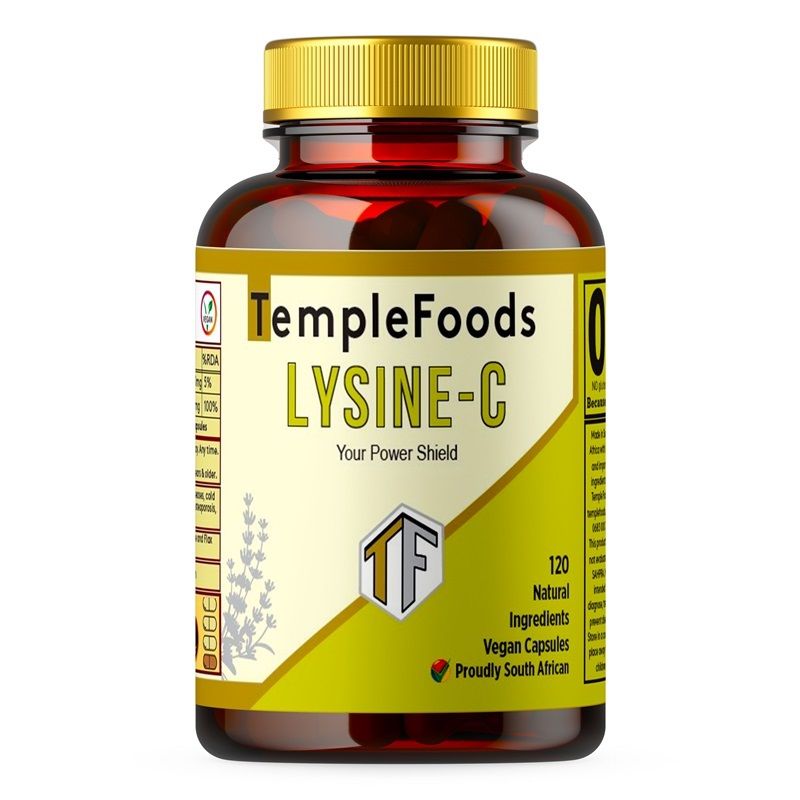
Temple Foods Lysine-C offers a versatile solution for
- Viral health and immune system (effective against Herpes Virus, sun blisters, fever blisters, cold sores, oral herpes, genital herpes, and shingles)
- Protein Synthesis (muscle growth, wound healing and energy)
- Skeletal health and bones
- Skin
making it an essential addition to your daily wellness routine.
Viral Infections
The combination of L-Lysine and Vitamin C is a powerful approach to managing viral infections, particularly those caused by the Herpes Virus, such as sun blisters, fever blisters, cold sores, oral herpes, genital herpes, and shingles. Together, these two nutrients help reduce and eliminate over time the frequency and severity of outbreaks, boost the immune system, and promote faster recovery.
How L-Lysine and Vitamin C Work Together Against Viral Infections:
L-Lysine Inhibits Viral Replication:
L-Lysine is particularly effective in combating viruses like Herpes because it interferes with the virus's ability to replicate. The herpes virus requires the amino acid arginine to multiply, but L-Lysine competes with arginine for absorption in the body. By increasing L-Lysine levels, arginine availability is reduced, slowing down viral replication. This makes L-Lysine highly beneficial in preventing and managing outbreaks of herpes, including cold sores and genital herpes.
Vitamin C Boosts Immune Function:
Vitamin C plays a crucial role in strengthening the immune system, which is essential for fighting off viral infections. It enhances the production and function of white blood cells, particularly phagocytes and lymphocytes, which are key players in the immune response. In the context of herpes infections, a strong immune system helps the body control the virus and prevent recurrent outbreaks. Vitamin C also supports the skin's healing process, speeding up the recovery of blisters and sores caused by herpes.
Antioxidant Protection:
Vitamin C is a potent antioxidant that protects the body's cells from damage caused by oxidative stress during viral infections. When the herpes virus becomes active, it can cause significant inflammation and cellular damage, particularly to skin cells. Vitamin C helps neutralize free radicals, reducing inflammation and protecting the tissues from further damage. This is especially important in managing painful herpes outbreaks, such as cold sores or genital lesions.
Collagen Support for Healing:
Both L-Lysine and Vitamin C play a role in collagen production. Collagen is a protein that helps repair and regenerate skin tissues. During a herpes outbreak, painful sores or blisters form, and collagen is needed to rebuild the skin after these sores heal. Vitamin C supports the synthesis of collagen, while L-Lysine ensures the stability and structure of the newly formed collagen, helping wounds heal faster and minimizing scarring.
Prevention of Future Outbreaks:
Regular supplementation with L-Lysine and Vitamin C can help reduce the frequency of herpes outbreaks. L-Lysine helps maintain a balance in amino acids, reducing the herpes virus's ability to reactivate, while Vitamin C ensures the immune system is strong enough to keep the virus in its dormant state. This combination is particularly effective in preventing recurrent cold sores or genital herpes.
Conclusion:
The combination of L-Lysine and Vitamin C offers a natural and effective strategy for managing viral infections such as herpes. L-Lysine works by blocking viral replication, while Vitamin C boosts immune function, reduces inflammation, and promotes healing. This synergistic approach not only helps prevent outbreaks but also accelerates recovery from painful sores and blisters, providing long-term relief from herpes-related symptoms.
Protein Synthesis for Muscle Growth and wound Healing.
L-Lysine plays a critical role in protein synthesis, the process by which cells produce proteins essential for structure and function. Every cell in the body relies on protein synthesis to create proteins necessary for maintaining cellular structures.
In addition to its structural role, L-Lysine is essential for building and repairing muscles and bones. It also aids in the production of important hormones and enzymes, which regulate various bodily functions. L-Lysine and Vitamin C is sometimes used as an energy source when needed, demonstrating its versatility in supporting the body's metabolic demands.
This product is particularly important for muscle growth and wound healing, as it contributes to the formation of collagen, a key component of skin, tendons, and bones. It helps the body maintain and build muscle mass, repair tissues, and recover from injuries, making it indispensable for overall health and recovery.
Bone Health
L-Lysine, an essential amino acid, plays a significant but often overlooked role in supporting bone health and preventing osteoporosis. Although L-Lysine is better known for its antiviral benefits, its influence on calcium metabolism and collagen synthesis makes it crucial for maintaining bone strength.
Key Ways L-Lysine Supports Bone Health and Helps Prevent Osteoporosis:
Enhanced Calcium Absorption:
Lysine helps the body absorb calcium and reduces the amount of calcium that is lost in urine. Calcium is a critical mineral for bone strength. L-Lysine increases the intestinal absorption of calcium. This ensures that more calcium is available in the bloodstream to be deposited into bones, which is essential for maintaining bone density and preventing bone loss.
Vitamin C plays a supportive role in ensuring calcium is properly utilized in bone formation. In addition, Vitamin C helps reduce bone loss by enhancing the activity of osteoblasts, the cells responsible for building new bone, and modulating osteoclast activity, which breaks down bone tissue.
Improved Calcium Retention in Bones:
In addition to enhancing calcium absorption, L-Lysine helps maintain calcium within the bone matrix. It does this by stimulating the activity of bone-building cells, known as osteoblasts, which are responsible for the production of new bone tissue. By keeping calcium in the bones, L-Lysine reduces the risk of demineralization, a process that can lead to weaker bones and osteoporosis.
Collagen Production:
L-Lysine is a key building block in collagen production. Collagen forms the structural framework of bones and provides the flexibility and tensile strength needed to prevent fractures. A healthy bone matrix relies on adequate collagen production, and L-Lysine helps facilitate this process. By supporting collagen formation, L-Lysine indirectly contributes to stronger, more resilient bones.
Vitamin C is essential for the production of collagen, a key protein in the bone matrix. Collagen provides the structural framework for bones, and without adequate collagen, bones may become brittle and more prone to fractures. Vitamin C helps ensure that the collagen formed is strong and functional, which supports the integrity of the bone structure.
Prevention of Bone Breakdown:
L-Lysine may help inhibit the breakdown of bone tissue by modulating the activity of osteoclasts, the cells responsible for bone resorption. Osteoclasts break down bone tissue, releasing calcium into the bloodstream. In people with osteoporosis, this process is often accelerated, leading to a net loss of bone mass. By balancing osteoclast activity, L-Lysine helps slow down the rate of bone loss.
Synergy with Other Bone-Supporting Nutrients:
L-Lysine works synergistically with other nutrients, particularly calcium, magnesium, and vitamin D, to support bone health. L-Lysine helps the body make the most of these nutrients by promoting their absorption and utilization in bone formation and maintenance. This makes L-Lysine a valuable addition to any osteoporosis prevention or treatment strategy.
Bone Mineral Density (BMD):
Studies have shown that individuals with higher Vitamin C intake tend to have better bone mineral density. This is likely because Vitamin C helps in the formation of healthy bone tissue and prevents the degradation of bone mass. People with adequate levels of Vitamin C have been found to have a lower risk of developing osteoporosis and experiencing related fractures.
Antioxidant Protection:
Vitamin C is a powerful antioxidant that protects bone cells from oxidative stress. Free radicals can cause damage to bone cells and disrupt the process of bone remodeling, where old bone is broken down and new bone is formed. By neutralizing these free radicals, Vitamin C helps maintain a healthy balance between bone resorption and bone formation, slowing down bone loss associated with aging.
Inflammation Reduction:
Chronic inflammation can contribute to bone loss by promoting the breakdown of bone tissue. Vitamin C has anti-inflammatory effects, which help reduce inflammation-related bone damage, making it particularly beneficial for individuals at risk of osteoporosis due to conditions like rheumatoid arthritis.
Clinical Relevance for Osteoporosis:
For individuals with osteoporosis or those at risk, Vitamin C supplementation can help strengthen bones and prevent fractures.
When combined with L-Lysine, Vitamin C can enhance overall bone health. This makes it an essential component of any osteoporosis prevention or management plan.
Skin Health
The combination of L-Lysine and Vitamin C offers remarkable benefits for skin health, providing both structural and protective support. These two nutrients work synergistically to promote collagen production, enhance wound healing, and protect the skin from environmental damage, making them essential for maintaining youthful, resilient skin.
How L-Lysine and Vitamin C Support Skin Health:
Collagen Production and Skin Structure:
- L-Lysine plays a crucial role in the formation of collagen, the protein responsible for the skin's structure, elasticity, and firmness. Collagen acts as the scaffold that supports the skin, keeping it strong and smooth. L-Lysine ensures that collagen is properly synthesized and stable, which is essential for maintaining skin integrity and reducing the appearance of fine lines and wrinkles.
- Vitamin C is essential for the synthesis of collagen as it is a required co-factor for the enzymes that stabilize and cross-link collagen fibers. Without sufficient Vitamin C, collagen production becomes impaired, leading to weakened skin structure and signs of premature aging, such as sagging and wrinkles. Together, L-Lysine and Vitamin C help the skin stay firm, youthful, and resilient.
Wound Healing and Tissue Repair:
- L-Lysine accelerates the skin's ability to repair itself after injuries such as cuts, scrapes, or acne scars. It supports the regeneration of skin tissues by ensuring that new collagen is formed correctly, which promotes faster healing and prevents scarring.
- Vitamin C also aids in wound healing by boosting the body's natural repair mechanisms. It reduces inflammation around wounds, speeds up tissue regeneration, and strengthens the skin barrier, helping it heal more quickly and efficiently. The combination of L-Lysine and Vitamin C is particularly beneficial for individuals with slow-healing wounds or skin conditions like acne, as it can reduce the risk of scarring and promote smooth recovery.
Protection Against UV Damage and Oxidative Stress:
- Vitamin C is a potent antioxidant that helps protect the skin from the harmful effects of UV radiation and environmental pollutants. Exposure to UV light generates free radicals in the skin, which can damage skin cells and break down collagen, leading to sunburn, wrinkles, and an increased risk of skin cancer. Vitamin C neutralizes these free radicals, reducing oxidative stress and protecting the skin from premature aging.
- Although L-Lysine is not an antioxidant, its role in collagen synthesis complements Vitamin C's protective effects. By maintaining strong collagen levels, L-Lysine supports the skin's structural defense against the physical damage caused by UV exposure, helping to prevent sun damage from causing long-term effects such as hyperpigmentation and loss of elasticity.
Improving Skin Hydration and Elasticity:
- The role of collagen in maintaining skin hydration and elasticity cannot be overstated. As we age, collagen production decreases, leading to a loss of skin moisture, elasticity, and suppleness. L-Lysine and Vitamin C work together to sustain collagen levels, which helps the skin retain moisture, improve elasticity, and appear plumper and more youthful.
- With better collagen support, the skin is more likely to remain hydrated, which contributes to a smoother texture and reduces the appearance of dry, flaky skin or fine lines.
Acne and Blemishes:
- L-Lysine has been shown to help reduce acne breakouts and prevent the formation of deep, inflamed pimples. Its role in tissue repair ensures that skin regenerates faster, reducing the risk of post-acne scars.
- Vitamin C's anti-inflammatory properties also play a role in calming irritated skin and reducing redness. In addition, its ability to lighten hyperpigmentation can help fade dark spots or scars left behind by acne, leading to a more even skin tone.
Skin Health Summary.
The combination of L-Lysine and Vitamin C offers a comprehensive approach to skin health by promoting collagen production, accelerating wound healing, and protecting the skin from environmental damage. Their synergistic effects not only help maintain a youthful, firm complexion but also support faster recovery from skin damage and prevent signs of aging. Whether you're looking to improve skin texture, prevent wrinkles, or support healing from acne or injuries, these two nutrients are essential allies in achieving healthy, glowing skin.
DISCLAIMER: This product may be a complementary medicine and/or not have been evaluated and verified by the South African Health Products Regulatory Authority for its quality, safety or intended use. Use of this product is therefore not intended to compensate for diagnosis, treatment, cure, or mitigation of medical conditions and must not substitute the obtaining of medical advice from a registered health professional for any health or health-related conditions.
What's in the box
1 Bottle Temple Foods Lysine-C 120 Capsules
Disclaimer
DISCLAIMER: This product may be a complementary medicine and/or not have been evaluated and verified by the South African Health Products Regulatory Authority for its quality, safety or intended use. Use of this product is therefore not intended to compensate for diagnosis, treatment, cure, or mitigation of medical conditions and must not substitute the obtaining of medical advice from a registered health professional for any health or health-related conditions.